
Sensory activities are hands-on experiences built around touch, sound, sight, smell or gentle movement, and for adults with learning disabilities they are often the difference between a restless day and a settled one. They give the brain organised input that can calm, stimulate or connect a person, and they need no specialist equipment. Many of the best ones use everyday items you already have at home.
Why sensory activities work
For adults with learning disabilities, sensory input is often processed differently. Some people are easily overwhelmed by noise or busy environments, while others seek out strong textures, movement or sound to feel grounded. A sensory activity is a way of meeting that need deliberately: the right level of input in a safe, familiar setting.
The benefits show up in three ways:
- Calming. Rhythmic, repetitive input, such as stroking a soft fabric or watching a lava lamp, can lower anxiety and help someone settle.
- Stimulating. Bright colours, music and interesting textures hold attention and give the day shape.
- Connecting. A shared activity, such as passing a bowl of scented rice or taking turns with a bubble tube, is social without needing conversation.
Simple sensory activities to try
Most of these use items found at home:
- Texture trays: dry rice, pasta, sand or water beads to run hands through.
- Scent jars: vanilla, lavender, mint or lemon on cotton wool.
- Music and sound: familiar songs, chimes, or a rain stick.
- Light and colour: fairy lights, colour-changing lamps, or torch patterns on a wall.
- Baking together: mixing dough is tactile, and the smell is part of the experience.
- Gentle movement: a swing, a rocking chair, or stretching to music.
- Soft pressure: weighted blankets or a gentle hand massage.
The key is to follow the person, not the plan. If a texture is too much, swap it. If a sound lands well, stay with it. What works changes from day to day, and the activity is a starting point, not a target.
Making it part of the day
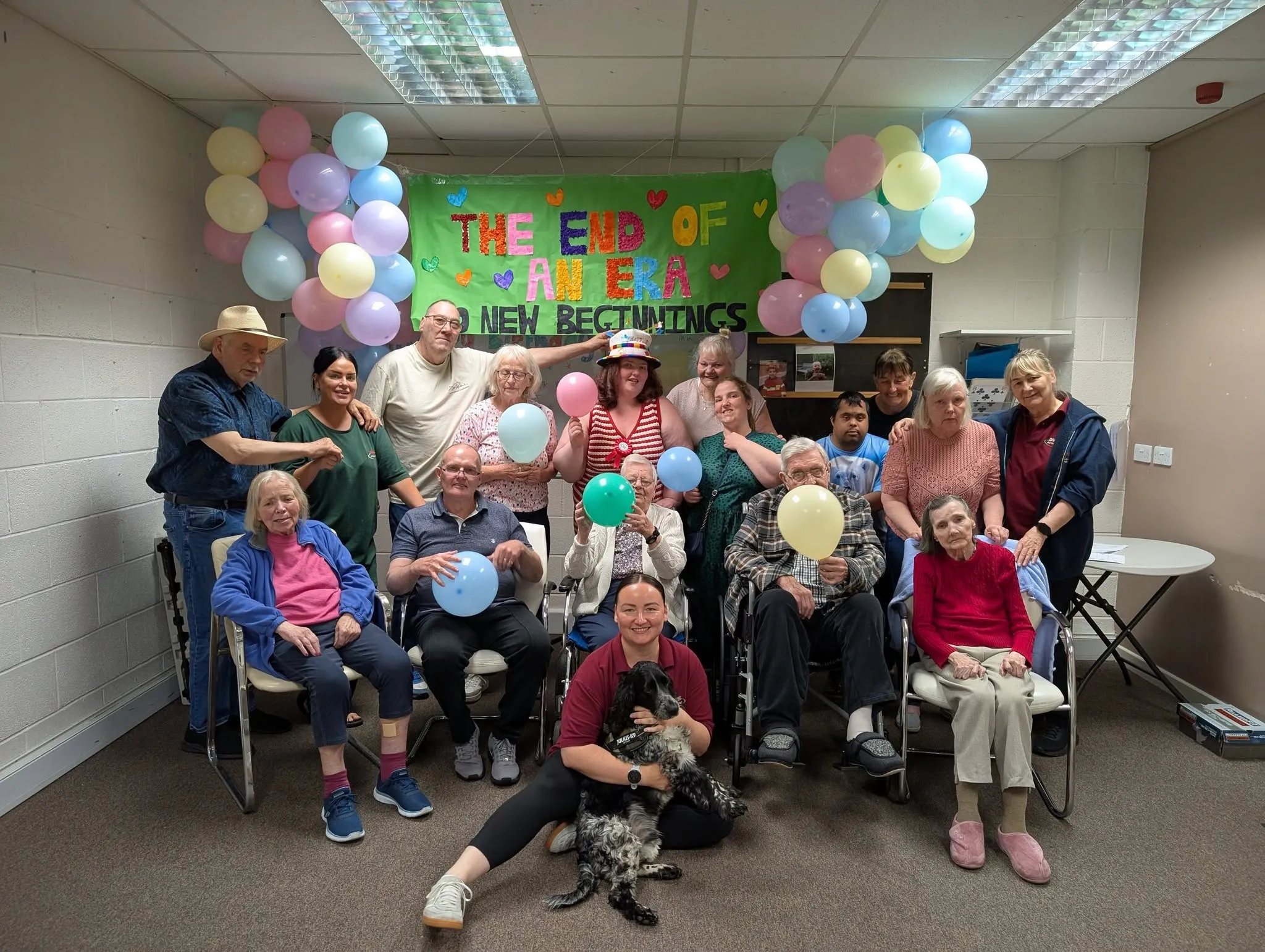
Sensory activity is not a separate slot; it is a thread through everything else. Our day care for adults with learning disabilities in Stretford runs arts and crafts, music and singalong sessions, gentle exercise and movement, and baking and cooking — ordinary activities that carry a sensory element once they are shaped around what a person responds to. Support is built around each individual rather than a fixed programme, so the best starting point is a conversation about the person you have in mind.
More ideas and support
Our guide to meaningful activities for adults with learning disabilities covers the wider picture, from creative projects to community trips. And because some people need a quieter, more personal kind of day, our community support sessions are arranged around one person's own interests, needs and preferences.
If you would like to talk through the activities at our centre, or want ideas to try at home, please get in touch. We are always glad to help.